

ntroduction
The modern apartment is no longer defined solely by its square footage, location, or luxurious amenities. Instead, the new generation of urban housing emphasizes intelligence, sustainability, and adaptability. As cities worldwide move toward greener and more connected ecosystems, smart sustainable apartments are setting the benchmark for the future of urban living. These living spaces are designed not just for comfort but for environmental efficiency, technological integration, and a more holistic lifestyle experience.
The Evolution of Apartment Living
Over the past two decades, apartment development has shifted from mere convenience to innovation-driven functionality. Earlier, the focus was on maximizing occupancy and offering generic amenities such as gyms, pools, and parking. Today, the emphasis lies in creating value-driven environments that integrate smart technologies, energy conservation systems, and community engagement features. This evolution reflects a broader trend: people no longer want just a place to live—they seek spaces that enhance their quality of life while minimizing their carbon footprint.
Core Characteristics of Smart Sustainable Apartments
1. Energy Efficiency and Green Architecture
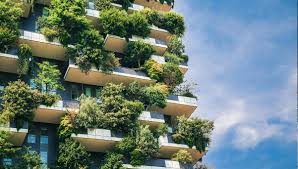
Sustainable apartments are built using environmentally conscious materials and innovative design principles that optimize natural light, air circulation, and temperature control. From solar panels on rooftops to energy-efficient appliances, these buildings reduce overall energy consumption by up to 40%. Smart meters and automated lighting systems ensure that power usage is constantly monitored and adjusted based on real-time data. Furthermore, architectural features such as green roofs and vertical gardens improve air quality while reducing urban heat.
2. IoT-Enabled Smart Living
The integration of Internet of Things (IoT) devices has completely redefined apartment functionality. Residents can now control everything—from thermostats and lighting to home security and appliances—via smartphones or voice commands. Smart apartments also feature predictive maintenance systems that automatically detect issues like water leaks or electrical faults before they escalate. This kind of automation not only increases convenience but also enhances safety and reduces long-term maintenance costs.
3. Waste and Water Management Innovations
Smart sustainable apartments leverage intelligent systems to handle waste and water efficiently. Greywater recycling units, water-saving fixtures, and digital waste segregation systems contribute to minimizing environmental impact. Many advanced apartments now feature biowaste converters that turn organic waste into compost for rooftop gardens. Such initiatives create self-sustaining ecosystems where waste management aligns seamlessly with sustainability goals.
4. Community-Centric Smart Infrastructure
Unlike older apartment complexes that focused on individual living, modern smart apartments promote community engagement. Shared smart spaces—like co-working lounges, fitness hubs, and green terraces—are designed for both social interaction and productivity. Integrated community apps allow residents to reserve amenities, participate in neighborhood events, and communicate directly with management. This fosters a connected and collaborative environment, creating a stronger sense of belonging among residents.
Architectural Adaptability and Space Optimization
Urban populations are growing, but available land is shrinking. The solution lies in designing flexible, space-efficient apartments. Smart sustainable apartments utilize adaptive layouts—movable walls, convertible furniture, and modular interiors that can change function based on residents’ needs. For instance, a single room can transform from a living area to a workspace or a guest room with minimal effort. These adaptive spaces make apartments more functional, affordable, and relevant to the dynamic lifestyles of urban dwellers.
The Integration of Artificial Intelligence in Building Management
Artificial Intelligence (AI) has become a cornerstone of building management in premium apartment complexes. AI-powered systems analyze data from energy usage, security patterns, and maintenance logs to make predictive decisions. For example, AI-driven HVAC systems can learn a resident’s daily routine and adjust temperatures accordingly, ensuring maximum comfort while conserving energy. Similarly, AI security algorithms can detect unusual activities and send real-time alerts, improving safety and responsiveness.
Sustainability Beyond the Walls
Smart sustainable apartments are not just environmentally conscious within their own boundaries—they actively contribute to urban sustainability. Through green transportation facilities like electric vehicle charging stations, bicycle hubs, and car-sharing programs, residents are encouraged to adopt eco-friendly commuting habits. Additionally, many of these apartments collaborate with local renewable energy grids to reduce dependency on non-renewable power sources.
Economic and Social Benefits of Smart Sustainable Living
While smart sustainable apartments may involve higher initial investment, their long-term benefits are substantial. Energy-efficient systems drastically cut utility costs, and smart automation reduces maintenance expenses. On a social level, such environments improve the overall quality of urban life by reducing pollution, fostering social cohesion, and promoting health-conscious living. The growing demand for these apartments also enhances property values, making them a wise investment for both residents and developers.
Challenges and Future Outlook
Despite the rapid adoption of smart sustainable apartments, certain challenges persist. The high implementation cost of technology, cybersecurity concerns, and the need for skilled maintenance personnel are among the key obstacles. However, advancements in affordable IoT solutions and the increasing emphasis on sustainability policies are steadily bridging these gaps. The future will likely see even greater integration of AI, 5G connectivity, and renewable materials, creating truly autonomous and eco-responsive living environments.
The Future Vision: Regenerative Apartment Communities
The next phase of sustainable living goes beyond energy conservation—it embraces regenerative design. Future apartments will not only minimize environmental impact but actively contribute to ecological restoration. Imagine buildings that purify the air, generate more energy than they consume, and recycle all their water internally. This net-positive living model will redefine the relationship between humans and the urban environment, transforming apartments into living organisms that coexist with nature.
Conclusion
The concept of apartments has evolved far beyond brick and mortar. In 2025 and beyond, smart sustainable apartments symbolize a lifestyle that harmonizes technology, ecology, and community. These living spaces are designed not just to accommodate people but to empower them—to live smarter, greener, and more connected lives. As innovation continues to accelerate, the apartment of tomorrow will be a testament to how cities can thrive sustainably without compromising comfort or convenience.
FAQs:
1. What differentiates a smart sustainable apartment from a regular smart home?
A smart sustainable apartment combines home automation with eco-friendly design and renewable energy systems, focusing on both comfort and environmental conservation at a community scale.
2. Are smart sustainable apartments more expensive to maintain?
Initially, they may require higher investment, but intelligent energy and water management systems significantly reduce long-term maintenance and utility costs.
3. How do these apartments contribute to carbon reduction?
Through energy-efficient construction materials, solar power integration, and low-emission appliances, they drastically reduce overall carbon footprints.
4. Can older apartments be converted into smart sustainable ones?
Yes, with retrofitting solutions such as smart meters, energy-efficient appliances, and solar panels, existing buildings can transition toward sustainability.
5. Do smart apartments compromise privacy due to technology use?
Not necessarily—modern systems include encrypted networks and privacy controls to protect user data from unauthorized access.
6. How do smart apartments enhance community living?
They use shared digital platforms and communal smart spaces to encourage social interaction, collaboration, and a sense of belonging among residents.
7. What will the next generation of smart sustainable apartments focus on?
The next phase will emphasize regenerative design, AI-driven predictive systems, and buildings capable of producing surplus energy and promoting biodiversity.

Comments are closed.