
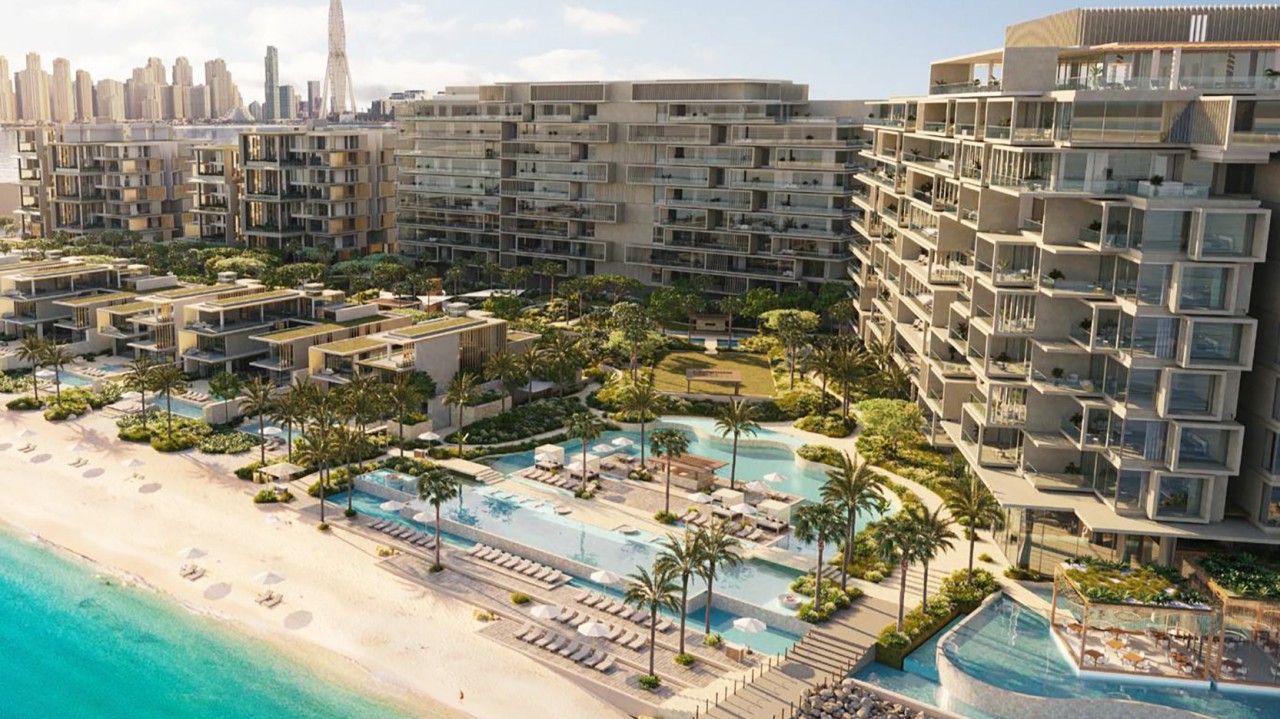
The Rise of Experiential Real Estate: How Sensory Design is Transforming Modern Property Value

Introduction
The real estate landscape is rapidly evolving. Traditional factors such as location, price, and architecture are no longer the sole determinants of a property’s value. Today, emotional and sensory experiences are reshaping how we design, buy, and live in spaces. This trend, known as Experiential Real Estate, focuses on creating immersive environments that stimulate the senses, foster connection, and enhance well-being. Investors, developers, and architects are now realizing that the true worth of a property lies not only in its physical attributes but also in the experience it offers.
What is Experiential Real Estate?
Experiential real estate is the art and science of crafting spaces that evoke emotional responses and enhance the human experience. Unlike traditional developments that emphasize aesthetics or efficiency, experiential real estate focuses on how a space feels to its occupants. It merges psychology, design, and technology to create environments that engage the senses—sight, sound, touch, smell, and even taste.
For instance, a luxury apartment complex might incorporate natural textures, ambient lighting, and gentle soundscapes to promote relaxation. A commercial building may integrate art installations and interactive displays to inspire creativity and community engagement. The end goal is to move beyond function and beauty, toward spaces that offer meaningful interactions and emotional resonance.
The Driving Forces Behind Experiential Real Estate
1. Evolving Consumer Expectations
Modern buyers and tenants are more experience-driven than ever before. Millennials and Gen Z, who now represent a major portion of the real estate market, value authenticity, connection, and sensory engagement over mere luxury. They want homes and workplaces that tell a story, embody wellness, and align with their lifestyle values.
2. The Rise of Wellness and Mindful Living
The global wellness economy has reshaped every industry, including real estate. Developers are incorporating elements like air purification systems, circadian lighting, aromatherapy zones, and biophilic materials to promote physical and mental health. Wellness real estate is projected to exceed $900 billion globally by 2028, underscoring the growing demand for spaces that nurture well-being.
3. The Fusion of Technology and Design
Smart home technology and sensory automation have enabled developers to craft hyper-personalized environments. From adaptive lighting that changes with mood to temperature and sound systems that respond to biometric feedback, tech-driven design makes experiential living possible on a daily basis.
Key Elements of Experiential Real Estate
1. Sensory Design
Sensory design engages the five senses to shape emotional reactions within a space. Elements include:
-
Lighting: Warm, natural light fosters relaxation, while cooler tones enhance focus.
-
Sound: Acoustic zoning separates quiet and active areas, improving concentration and comfort.
-
Texture: Natural materials such as wood, stone, and linen add tactile warmth.
-
Scent: Subtle fragrances influence mood, perception, and memory retention.
2. Biophilic Integration
Biophilic design connects people with nature by incorporating greenery, natural materials, and organic patterns. Studies show that such designs reduce stress, improve air quality, and increase cognitive performance. Developers are now creating living walls, rooftop gardens, and water features to bring nature indoors.
3. Emotional Architecture
Emotional architecture emphasizes how spatial design impacts mood. Spaces are designed to create a psychological journey—calm entryways, inspiring communal areas, and rejuvenating private spaces. This approach transforms real estate from static structures into dynamic environments that evoke emotion and interaction.
4. Experiential Amenities
Amenities are no longer just about gyms and pools. Experiential developments now include:
-
Meditation and sound therapy studios
-
Sensory lounges with immersive projections
-
Art and cultural exhibition spaces
-
Culinary gardens for community cooking experiences
-
Multi-sensory coworking zones designed for creativity
These curated amenities create emotional bonds between residents and their environment, enhancing tenant satisfaction and retention rates.
How Experiential Real Estate Impacts Value
1. Enhanced Market Differentiation
With intense competition in the property market, experiential design helps developers stand out. A project that delivers a unique sensory experience instantly captures attention and brand value, creating a premium perception even in saturated markets.
2. Increased Tenant Retention
Residents and employees are more likely to stay longer in environments that make them feel inspired, comfortable, and connected. Emotional engagement drives loyalty, reducing turnover rates and operational costs.
3. Long-Term Investment Appeal
As consumer preferences evolve, experiential properties are more future-proof. These spaces adapt more seamlessly to changing technologies and lifestyles, making them sustainable long-term investments.
4. Boosted ROI Through Experience-Driven Marketing
Properties marketed through immersive storytelling—like showcasing lifestyle experiences instead of static features—achieve higher conversion rates. Developers use virtual reality (VR) walkthroughs and AR-enhanced brochures to communicate the sensory journey their projects offer.
Global Examples of Experiential Real Estate
-
The Edge, Amsterdam: A smart office building that uses adaptive lighting, air quality monitoring, and app-based customization to enhance employee comfort and productivity.
-
Amangiri, Utah: A luxury resort that harmonizes with the desert landscape, using minimalism and natural materials to heighten sensory awareness.
-
Eden Project, UK: A commercial space blending environmental sustainability and emotional design, offering a seamless connection between architecture and nature.
-
Wellness Residences in Singapore: Integrating mindfulness zones, scent therapy systems, and community healing gardens, redefining urban luxury living.
Challenges in Implementing Experiential Real Estate
While experiential real estate offers immense potential, developers face several challenges:
-
High upfront costs for technology integration and sensory materials.
-
Design complexity in balancing aesthetics, function, and emotion.
-
Measurement difficulty, since emotional impact is subjective.
-
Maintenance requirements for biophilic and tech-enabled systems.
Overcoming these barriers requires collaboration between designers, psychologists, and technologists to ensure emotional and physical sustainability.
The Future of Experiential Real Estate
The next decade will witness a convergence of neuroscience, AI, and architecture. Imagine homes that detect stress levels and adjust lighting to calm you, or offices that shift acoustics based on team dynamics. As developers embrace neuroarchitecture and emotive analytics, the future of real estate will prioritize how people live, feel, and connect.
Experiential real estate is not just a design philosophy—it’s an investment in human emotion, performance, and fulfillment. In a world where every square foot competes for attention, spaces that create lasting emotional impact will define the future of value.
FAQs
1. How does experiential real estate differ from traditional real estate?
Traditional real estate emphasizes location and functionality, while experiential real estate focuses on how people emotionally and sensorially engage with a space.
2. Is experiential design only for luxury properties?
No. While it began in luxury developments, many mid-market projects now integrate experiential elements like biophilic design and mood lighting to enhance affordability with comfort.
3. What technologies enable experiential real estate?
Smart home systems, IoT sensors, AI-driven lighting, AR/VR tools, and wellness analytics all contribute to personalized, sensory experiences.
4. Can experiential design increase a property’s market value?
Yes. Properties that provide emotional and sensory appeal command higher prices, attract quality tenants, and maintain long-term desirability.
5. What role does scent play in experiential spaces?
Scent triggers memory and emotion, influencing mood and perception. Developers often use subtle fragrances in common areas to create calm or energy.
6. Are there sustainability benefits to experiential real estate?
Absolutely. Many experiential designs integrate eco-friendly materials, energy-efficient systems, and green architecture to promote both well-being and environmental health.
7. What’s the biggest challenge in experiential real estate development?
Balancing emotional appeal with practical functionality and managing the high costs of advanced materials and technologies remain key challenges.

Comments are closed.