
Smart Roofing Innovations: How Advanced Materials and Technology Are Redefining Roof Performance in 2025

Introduction
The roofing industry in 2025 is entering an advanced era defined by technology, sustainability, and performance-driven materials. Roofing systems are no longer static protective layers; they are becoming intelligent, data-connected surfaces that enhance building efficiency, regulate temperature, and even generate power. With modern construction priorities shifting toward energy conservation, resilience, and automation, the role of roofing has become more strategic than ever. Smart materials, advanced coatings, and integrated sensor technologies are revolutionizing how roofs perform and how facility managers maintain them.
1. The Evolution of Smart Roofing Systems
From Passive Protection to Active Intelligence
Traditional roofing focused on shielding structures from external elements. However, the modern approach integrates smart technologies capable of real-time monitoring and performance adjustments. Smart roofing systems are equipped with embedded sensors that detect leaks, track thermal performance, and assess wind or moisture impact. These systems send alerts directly to maintenance teams, allowing early intervention before significant damage occurs.
Integration with Building Automation Systems (BAS)
Smart roofs today communicate directly with Building Automation Systems, linking roofing data with HVAC and lighting controls. When roof sensors detect a rise in surface temperature, they can trigger automatic cooling adjustments, optimizing indoor climate while conserving energy. This integration helps reduce utility costs and enhances building sustainability, particularly in large commercial and industrial environments.
2. Advanced Roofing Materials Shaping the Future
Self-Healing Membranes
One of the most significant breakthroughs in modern roofing is the development of self-healing membranes. Made from elastomeric polymers and microcapsules filled with adhesive agents, these materials can automatically seal small punctures or tears. This innovation drastically reduces maintenance requirements and extends roof lifespan, making it ideal for regions with heavy weather fluctuations.
Phase-Change Materials (PCMs)
Phase-Change Materials represent a step forward in thermal regulation. These materials absorb, store, and release heat depending on environmental temperature. During the day, they absorb excess heat, preventing indoor overheating, and release it at night to maintain stable interior conditions. By integrating PCMs into roofing layers, buildings can achieve significant energy savings without compromising comfort.
Reflective and Cool Roof Coatings
Cool roof technology isn’t new, but the latest generation of nanotechnology-based reflective coatings takes efficiency to new levels. These coatings reflect up to 90% of solar radiation and reduce heat absorption even under extreme conditions. They’re especially beneficial in urban environments where the heat island effect intensifies energy demands.
3. Solar-Integrated Roofing: Beyond Traditional Panels
Building-Integrated Photovoltaics (BIPV)
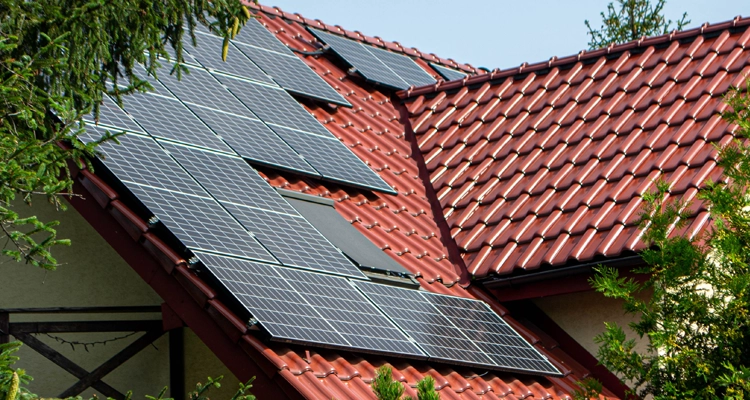
Solar integration is moving beyond bulky rooftop panels. The latest innovation, Building-Integrated Photovoltaics (BIPV), blends solar cells directly into roofing materials like shingles and tiles. This not only improves aesthetics but also enhances efficiency and durability. BIPV roofs generate renewable energy while maintaining the same structural integrity as conventional roofs.
Flexible Solar Membranes
Unlike traditional rigid panels, flexible solar membranes can be installed on curved or irregular surfaces. These lightweight films are easy to install, require less maintenance, and can deliver high energy output. This makes them a prime choice for commercial warehouses, factories, and retrofitting older buildings where conventional panels may not be viable.
4. Predictive Maintenance Through AI and IoT
AI-Powered Roof Analytics
Artificial Intelligence (AI) is transforming how roof inspections and maintenance are conducted. Drones equipped with AI-driven imaging software can perform detailed thermal scans, detecting hidden leaks or insulation gaps. The collected data is analyzed to forecast potential failures before they escalate. This predictive maintenance model not only prevents costly repairs but also minimizes downtime.
IoT-Based Monitoring Systems
Internet of Things (IoT) devices now play a critical role in monitoring roof performance. Smart moisture sensors, load monitors, and temperature trackers continuously transmit data to cloud platforms. Facility managers can access real-time insights on mobile dashboards, allowing data-driven decisions and proactive responses to performance issues.
5. Sustainable Roofing and Environmental Impact
Green Roofs and Living Systems
Sustainability is a key driver in roofing innovation. Green roofs—covered with vegetation and soil—offer multiple benefits, from improved insulation to stormwater management. They reduce heat absorption, support biodiversity, and enhance air quality. Many urban developments are now using hybrid systems that combine vegetation with solar technology, maximizing energy efficiency and ecological impact.
Recyclable and Bio-Based Materials
Manufacturers are increasingly turning to bio-based roofing materials such as recycled rubber, hemp fibers, and thermoplastic polyolefin (TPO) composites. These materials not only reduce landfill waste but also lower carbon footprints across the product’s life cycle. Additionally, some roofing membranes are now designed for closed-loop recycling, ensuring end-of-life materials are repurposed for new installations.
6. Resilient Roofing for Extreme Climates
Storm-Resistant Engineering
With rising climate volatility, impact-resistant roofing systems have become essential. Roofs designed with reinforced membranes and interlocking panels provide superior wind uplift resistance and hail durability. Some premium solutions also feature embedded mesh technology, distributing impact forces evenly to prevent surface damage.
Thermal and UV Resistance
High-performance roofing materials now incorporate advanced UV stabilizers and ceramic granule coatings that prevent color fading and material degradation. These properties extend the lifespan of roofs in regions exposed to intense sunlight and high temperature variations.
7. The Economic Value of Smart Roofing
Long-Term Cost Efficiency
Although smart roofing systems require a higher upfront investment, they provide long-term savings through reduced energy bills, lower maintenance costs, and extended service life. Predictive monitoring reduces emergency repair expenses, while energy-efficient designs cut operational costs substantially over time.
Enhanced Property Value
Buildings equipped with intelligent roofing systems tend to attract higher market valuations. Smart roofs signify modern sustainability standards, which appeal to environmentally conscious buyers and investors. This competitive edge is particularly vital in commercial real estate, where energy performance ratings directly influence leasing potential.
Conclusion
The roofing industry in 2025 stands at the intersection of technology, sustainability, and resilience. From AI-driven analytics and solar-integrated materials to self-healing membranes and energy-reflective coatings, the future of roofing lies in intelligent systems designed to adapt, protect, and perform. As environmental regulations tighten and energy costs rise, smart roofing solutions are not just innovative—they are essential for the future of sustainable construction.
FAQs
1. How do smart roofing systems detect leaks or damage?
Smart roofing systems use embedded IoT sensors that monitor humidity and structural shifts, sending alerts when anomalies indicate potential leaks or damage.
2. Are self-healing roofing membranes suitable for all climates?
Yes, self-healing membranes perform well across climates but are particularly beneficial in regions prone to extreme temperature fluctuations or heavy precipitation.
3. How long do solar-integrated roofs last compared to traditional roofs?
Solar-integrated roofing systems typically last 25–30 years, comparable to or longer than conventional roofing materials, with proper maintenance.
4. Can AI-based roof inspections replace human inspections entirely?
AI inspections enhance accuracy and efficiency but don’t completely replace human expertise. They complement professional evaluations by identifying areas that need closer examination.
5. Do green roofs require extensive maintenance?
Green roofs require moderate maintenance, such as periodic irrigation, weeding, and inspection of drainage systems, to ensure vegetation health and optimal insulation performance.
6. What’s the most cost-effective smart roofing solution for commercial buildings?
IoT-enabled moisture monitoring systems combined with reflective coatings or flexible solar membranes provide high ROI for commercial applications.
7. Are smart roofing systems compatible with older buildings?
Yes, many smart roofing solutions—like modular sensors and flexible solar membranes—are designed for retrofitting existing structures without major reconstruction.

Comments are closed.