
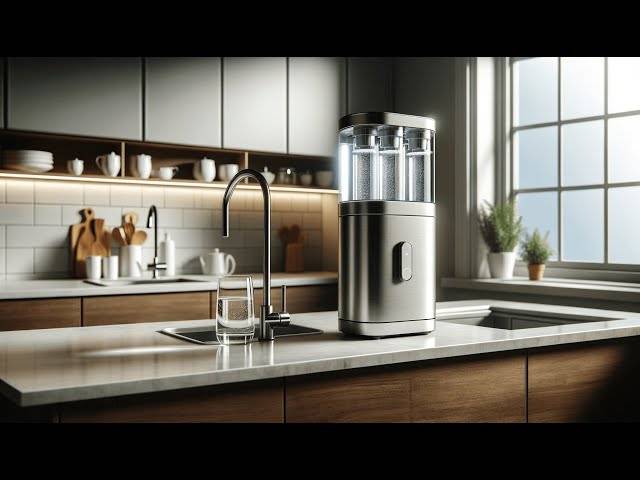

In today’s world, ensuring the water flowing through your home is clean and safe is paramount. With increasing concerns about contaminants in our water supply, many homeowners are turning to advanced filtration solutions. A comprehensive approach, such as installing a whole house water filter system , can be a game-changer, providing purified water from every tap and showerhead.
Beyond just health benefits, consider the impact on your appliances and plumbing. Hard water and sediment can wreak havoc, leading to costly repairs and replacements. Investing in a robust filtration system is an investment in the longevity of your entire home. Let’s explore some design tips to help you integrate this essential upgrade seamlessly.
Understanding your water quality
Before diving into the specifics of choosing a system, it’s crucial to understand what’s actually in your water. Get your water tested by a certified lab. This will identify any specific contaminants, such as chlorine, lead, bacteria, or sediment, that you need to address. Testing provides a clear picture of your water’s composition, guiding you towards the most effective filtration solutions.
Different filters target different impurities. A sediment filter, for example, removes particulate matter, while an activated carbon filter tackles chlorine and organic compounds. Knowing your enemy is half the battle, so testing is non-negotiable. Consider it the foundation upon which your entire water filtration strategy is built.
Identifying common contaminants
Many urban water supplies are treated with chlorine to disinfect against bacteria. While effective, chlorine can impart an unpleasant taste and odour to your water. Lead, although less common, can leach into water from old pipes, posing a serious health risk, especially for children. Agricultural runoff can introduce pesticides and herbicides into rural water sources. Understanding the potential sources of contamination in your area is key.
Furthermore, consider the aesthetic aspects of water quality. Hard water, characterised by high mineral content, can cause scale buildup on fixtures and appliances, reducing their efficiency and lifespan. Discoloured water, often due to iron or manganese, can stain laundry and make showering less enjoyable. Addressing these issues enhances not just health, but also the overall comfort and value of your home.
Choosing the right system
With a clear understanding of your water quality, you can now explore the various types of water filter system options available. Whole-house systems are installed on the main water line entering your home, ensuring that all water used is filtered. These systems typically involve multiple stages of filtration to remove a wide range of contaminants.
Consider factors such as flow rate (the amount of water the system can filter per minute) to ensure it meets your household’s demands. Filter lifespan and replacement costs are also important considerations. Do you want a system that requires frequent filter changes or one that offers longer-lasting performance? Think about the long-term costs and maintenance involved.
Types of whole house filters
Sediment filters are the first line of defence, removing sand, silt, and rust particles. Carbon filters, often made from activated carbon, adsorb chlorine, volatile organic compounds (VOCs), and other chemicals that affect taste and odour. KDF (Kinetic Degradation Fluxion) filters use a copper-zinc alloy to remove heavy metals and inhibit bacterial growth.
UV (ultraviolet) disinfection systems use UV light to kill bacteria, viruses, and other microorganisms. Water softeners use ion exchange to remove calcium and magnesium, the minerals responsible for hard water. Depending on your water quality report, you might need a combination of these filters to achieve optimal results. Think of it as building a custom water purification powerhouse tailored to your specific needs.
Installation and design considerations
The installation of a whole-house water filter system typically involves cutting into your main water line, so it’s generally best left to a qualified plumber. They can ensure the system is properly installed, meets local plumbing codes, and operates efficiently. Consider the location of your main water line and the available space for the filter system.
Ideally, the system should be installed in an accessible location for easy maintenance and filter replacement. A utility room or basement is often a good choice. Protect the system from freezing temperatures and direct sunlight. Proper installation is crucial not only for performance but also for preventing leaks and water damage.
Placement and space requirements
Think about the physical footprint of the system and the space needed for filter replacement. Some systems require more vertical clearance than others. Ensure there’s enough room to maneuver around the system for maintenance tasks. Consider also the proximity to a drain for backwashing if your system includes this feature.
Plan for future upgrades or expansions. Can you easily add additional filters or components to the system if your water quality changes or your needs evolve? A modular design can offer greater flexibility. Remember, a well-planned installation makes maintenance easier and extends the lifespan of your investment.
Maintaining your system
Regular maintenance is essential to ensure your inline water filter systems continues to perform optimally. This includes regularly replacing filters according to the manufacturer’s recommendations. Keep a log of filter replacement dates to stay on schedule. Inspect the system periodically for leaks or damage.
Backwashing, if applicable to your system, helps to clean the filter media and remove accumulated sediment. Follow the manufacturer’s instructions for backwashing frequency and duration. Proper maintenance not only ensures clean water but also prolongs the life of your filtration system, saving you money in the long run.
Extending filter lifespan
Pre-filtration can extend the lifespan of your main filters. For example, a sediment filter placed before a carbon filter can remove large particles, preventing the carbon filter from becoming clogged prematurely. Using water-saving fixtures can also reduce the amount of water flowing through the system, extending filter life.
Consider the quality of your replacement filters. Cheaper filters may not perform as well or last as long as higher-quality options. Investing in reputable filters ensures consistent performance and protects your system from damage. Think of it as preventative medicine for your water filtration system.
Enjoying the benefits of pure water
With a properly designed and maintained whole-house water filter system, you can enjoy the peace of mind that comes with knowing your water is clean and safe. From cooking and drinking to showering and laundry, every aspect of your home life benefits from purified water. Say goodbye to unpleasant tastes and odours, scale buildup, and concerns about contaminants.
Investing in a whole-house water filter is an investment in your health, your home, and your future. It’s a modern solution for a modern problem, ensuring that you and your family have access to the purest water possible. So, take the plunge and experience the difference that clean water can make.

Comments are closed.