
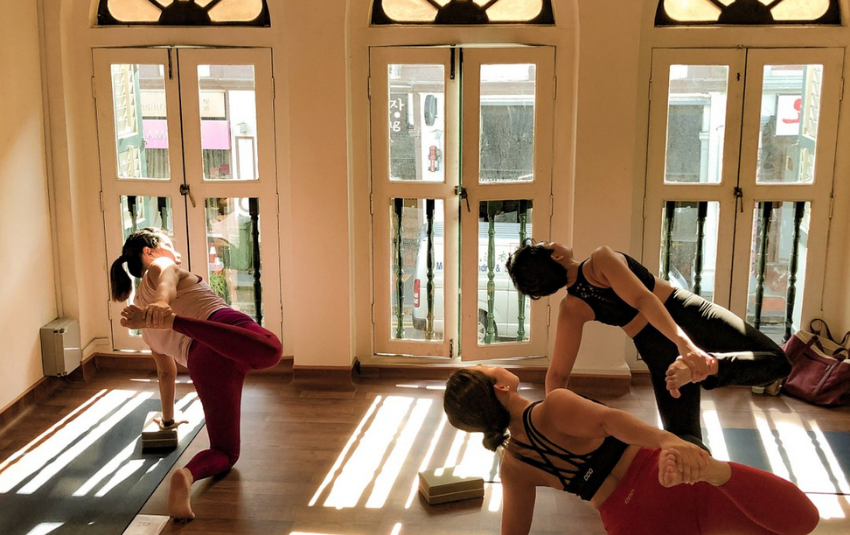

Athletes in Singapore often operate within intense training schedules that demand strength, speed, and endurance. However, as sports science evolves, many coaches and professionals have realised that micro mobility is just as important as power. Micro mobility refers to the fine control of small joints, deep stabiliser muscles, and the subtle ranges of motion that prevent strain and injury. This is why a growing number of athletes choose to train inside a dedicated yoga studio Singapore to enhance their mobility and reduce long term injury risk.
Unlike regular stretching routines or home workouts, a studio environment offers structured guidance, precise corrections, and a carefully sequenced flow that targets the body’s smaller stabilising systems. For athletes, whose bodies experience repeated stress and micro trauma, this approach becomes an essential component of long term performance and recovery.
Understanding Micro Mobility and Why It Matters for Athletes
Most sports focus on major muscle groups such as the quadriceps, hamstrings, glutes, and shoulders. Yet, many injuries occur not because these big muscles fail, but because the smaller stabiliser muscles, connective tissues, and joint capsules are unable to support sudden movements.
Micro mobility refers to:
-
Controlled joint rotations
-
Subtle stabiliser activation
-
Smooth transitions between angles
-
Control over small joint spaces
-
Precision in muscular engagement
When these areas are neglected, athletes become more susceptible to strains, sprains, and chronic tightness that affects performance.
Why Athletes in Singapore Need Micro Mobility More Than Ever
Singapore’s climate and active lifestyle encourage regular training across different sports including running, swimming, cycling, martial arts, tennis, and dance. While this variety is beneficial, it also increases the risk of repetitive strain injuries if the body is not conditioned for fine motor control.
Common issues faced by local athletes
-
Tight hip flexors due to high intensity training
-
Reduced ankle mobility from repetitive impact
-
Shoulder strain from racquet or swim sports
-
Lower back stiffness due to overloading
-
Poor rotational control during fast direction changes
Studio based yoga helps correct these imbalances through controlled poses that target specific joints and stabiliser muscles.
Why a Studio Environment Is Ideal for Athletes
While athletes can stretch independently, studio guided yoga offers a refined approach that supports long term athletic development.
Professional guidance ensures accuracy
Athletes often push their limits aggressively. In a studio, instructors help:
-
Prevent overstretching
-
Correct alignment
-
Engage the correct muscles
-
Protect vulnerable joints
These details are difficult to replicate without expert supervision.
Structured sequencing enhances performance
Each studio class follows a thoughtful progression that gradually warms, challenges, and cools the body. This is especially important for athletes who require:
-
Progressive increases in intensity
-
Balanced activation of agonist and antagonist muscles
-
Controlled mobility without joint stress
A calming environment supports recovery
Training environments can be loud, competitive, and mentally demanding. A studio provides a sensory calm space where athletes can reconnect with their breath and restore their nervous system between intense training sessions.
How Studio Based Yoga Improves Micro Mobility
Micro mobility improvements happen slowly but steadily. Studio classes help athletes develop better movement patterns and joint stability.
Strengthening deep stabiliser muscles
The small muscles surrounding the spine, hips, and shoulders play a major role in injury prevention. In a guided session, athletes learn to activate:
-
Transverse abdominis
-
Multifidus
-
Hip rotators
-
Scapular stabilisers
-
Deep foot muscles
These muscles are often ignored in traditional training programmes.
Enhancing joint lubrication and circulation
Controlled movement increases synovial fluid production within the joints. This helps maintain smooth movement and reduces wear and tear.
Improving range of motion safely
Studio instructors ensure that athletes explore deeper ranges without compromising structural integrity. Over time, this helps:
-
Expand joint flexibility
-
Reduce chronic tightness
-
Improve postural alignment
Creating neuromuscular control
Micro mobility relies heavily on the connection between the brain and the muscles. Slow, mindful movement strengthens this connection, making it easier for athletes to control delicate transitions during sports.
Why Breathwork Is Crucial for Athletic Performance
In many sports, breath is treated as secondary. But breath is fundamental to endurance, recovery, and movement efficiency.
Benefits of breathwork for athletes
-
Supports better oxygen delivery
-
Improves heart rate variability
-
Enhances core stability
-
Reduces anxiety before competitions
-
Helps maintain focus during intense moments
In a studio class, breath is integrated with movement, training the body to perform with steadiness and clarity.
How Studio Yoga Enhances Injury Resistance
Athletes operate under continuous pressure. Training intensity leads to micro tears in the muscles, which is normal. The problem arises when recovery is insufficient. Studio guided yoga helps strengthen weak links in the body, making injuries less frequent and easier to manage.
Stabilising vulnerable joints
Key areas supported by studio practice:
-
Ankles
-
Knees
-
Shoulders
-
Wrists
-
Lower spine
By improving strength and control around these joints, athletes reduce the likelihood of sprains and repetitive injuries.
Improving movement symmetry
Athletes often have dominant sides. Yoga enhances bilateral control, helping reduce structural imbalances that lead to chronic strain.
Supporting fascia health
The fascia network plays a major role in mobility. Studio based movements hydrate the fascia, reducing stiffness and improving glide between muscles.
Why Athletes Prefer Practising at Yoga Edition
Many athletes in Singapore choose studios like Yoga Edition for their performance and recovery routines. The structured environment, skilful instruction, and focus on mindful movement help athletes balance high intensity sports with gentle, restorative training.
The studio’s approach integrates mobility, strength, breath, and relaxation, which together create a long term foundation for injury resistance and performance improvement. Athletes often find that incorporating two or three weekly sessions significantly improves their agility, coordination, and body awareness.
Long Term Athletic Benefits of Micro Mobility Work
Athletes who consistently practise yoga in a studio experience a wide range of improvements.
Enhanced agility and responsiveness
Better control in smaller joint movements improves reaction times during sports.
Reduced injury frequency
Stronger stabilisers and improved flexibility reduce strain during peak performance.
Better post training recovery
Yoga helps flush metabolic waste, reduce inflammation, and support faster recovery between sessions.
Improved technique and form
Micro mobility improves technical precision in sports such as running, tennis, martial arts, and swimming.
Greater mental clarity
A calm nervous system makes decision making faster and more accurate during competition.
How Athletes Can Integrate Studio Yoga Into Their Training Schedule
To maximise results, athletes can follow these guidelines:
-
Practise two to three times weekly
-
Choose a mix of strength based and mobility focused classes
-
Avoid heavy meals before practice
-
Attend restorative sessions after high intensity training
-
Use breathwork on competition days for mental focus
Consistency creates long term improvements that support performance across all sports.
FAQ
Q. How long does it take for athletes to notice improvements in mobility?
Most athletes feel subtle improvements within two weeks. Significant changes in stability, joint awareness, and movement control usually appear after six to eight weeks of consistent practice.
Q. Is studio yoga suitable for athletes recovering from injury?
Yes, but they should seek clearance from their physiotherapist or doctor. Studio instructors can provide modifications that support safe rebuilding of strength and mobility.
Q. Can yoga replace strength or cardio training?
No. Yoga complements sports training by supporting mobility, breath control, and recovery. It should be integrated alongside strength and cardio work for best results.
Q. Which classes are best for athletes?
Mobility flow, strength based yoga, and restorative sessions provide a balanced combination that supports performance and injury resistance.
Q. Does yoga help with pre competition anxiety?
Yes. Breathwork, stillness, and mindful movement help regulate the nervous system, reduce stress, and sharpen focus before competitions.

Comments are closed.