
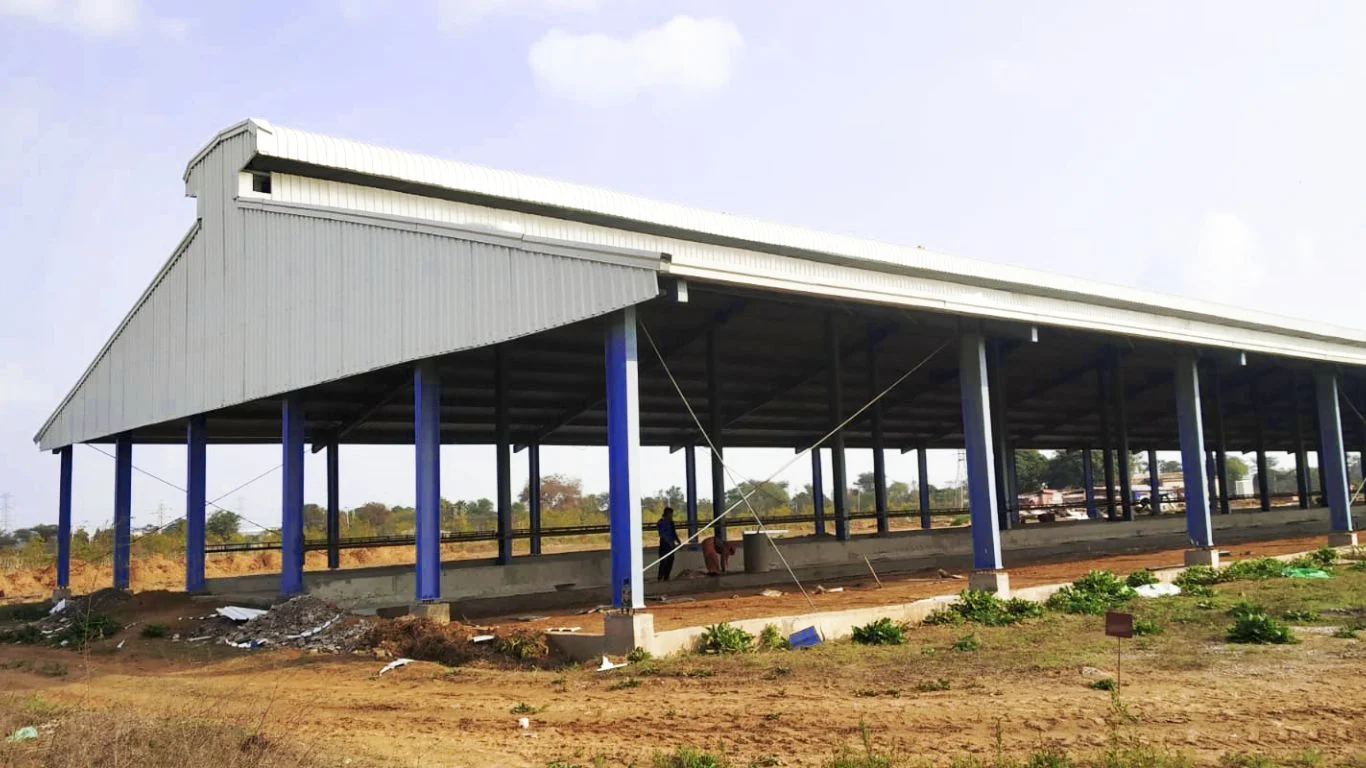

Rural properties demand structures that are practical, durable, and built to handle wide open environments. Whether you manage farmland, own acreage outside the city, or simply need additional storage space on a country property, investing in quality rural sheds is one of the smartest improvements you can make. The right shed does far more than store equipment. It protects valuable assets, supports daily operations, and increases overall property functionality.
Unlike suburban storage units, rural sheds must withstand heavier workloads, harsher weather conditions, and long-term exposure to the elements. Choosing the right one requires thoughtful planning, attention to materials, and an understanding of how the structure will serve your land for years to come.
Why Rural Sheds Are Essential for Country Properties
Life in rural America often means managing tools, vehicles, livestock supplies, and seasonal equipment. A properly built shed becomes the backbone of organization and efficiency.
Protection for Equipment and Machinery
Farm equipment, tractors, trailers, and ATVs represent a significant investment. Leaving them exposed to rain, sun, wind, and snow accelerates wear and tear. A well-constructed shed provides:
-
Protection from UV damage
-
Reduced rust and corrosion
-
Extended equipment lifespan
-
Lower maintenance costs
In many parts of the United States, extreme weather swings from intense summer heat to freezing winter conditions. A secure enclosure dramatically reduces environmental stress on your machinery.
Increased Property Organization
Clutter spreads quickly across open land. Without designated storage space, tools end up scattered in barns, garages, or even outdoors. Rural sheds allow property owners to create structured zones for:
-
Feed and seed storage
-
Power tools and hand tools
-
Irrigation supplies
-
Fencing materials
-
Seasonal decorations or household overflow
Organized storage translates directly into time savings. Instead of searching for equipment, you know exactly where everything belongs.
Multi-Purpose Flexibility
Modern sheds are no longer single-use buildings. With the right layout and interior planning, they can function as:
-
Workshops
-
Hobby studios
-
Livestock shelters
-
Home-based business spaces
-
Equipment maintenance areas
The flexibility of rural sheds makes them one of the most adaptable additions to any large property.
Key Considerations Before Building a Rural Shed
Before breaking ground, it is important to evaluate your property’s specific needs. A shed that works perfectly for one landowner may not suit another.
Determine the Primary Purpose
Start by clearly defining how the shed will be used. Ask yourself:
-
Will it house heavy machinery?
-
Does it need electricity and lighting?
-
Will animals be kept inside?
-
Do you require insulation?
For example, a hay storage shed requires strong ventilation, while a workshop benefits from insulation and climate control.
Choose the Right Size
One of the most common mistakes is building too small. Rural properties tend to accumulate more equipment over time.
Consider:
-
Current storage needs
-
Future equipment purchases
-
Clearance for tall vehicles
-
Space for safe maneuvering inside
When in doubt, sizing up often proves to be the wiser long-term investment.
Evaluate Location and Ground Conditions
Placement directly affects durability and usability. Look for:
-
Elevated ground to prevent flooding
-
Easy access from driveways or fields
-
Adequate drainage
-
Distance from property lines according to local regulations
A poorly placed shed can suffer from water damage, structural settling, or difficult access during wet seasons.
Materials That Deliver Long-Term Durability
Material selection determines how well a shed holds up against time and weather. Rural environments often expose structures to stronger winds, heavy rain, and temperature extremes.
Steel Construction
Steel is a popular option due to its strength and resistance to pests.
Benefits include:
-
High durability
-
Fire resistance
-
Minimal maintenance
-
Resistance to termites and rodents
Steel structures are particularly useful in areas prone to severe storms.
Wood Framing
Wood offers traditional appeal and design flexibility.
Advantages include:
-
Easy customization
-
Natural insulation properties
-
Classic rural aesthetic
However, wood requires regular maintenance to prevent moisture damage and insect infestations.
Metal Roofing
Roofing is just as critical as wall materials. Metal roofing provides:
-
Long lifespan
-
Strong resistance to wind
-
Efficient water runoff
-
Low maintenance requirements
For rural climates that experience heavy snowfall or intense rainfall, metal roofing is often the most reliable solution.
Foundation Options for Stability
A strong foundation protects your investment from shifting and moisture damage.
Concrete Slabs
Concrete slabs provide a solid, level surface suitable for heavy equipment.
Ideal for:
-
Workshops
-
Machinery storage
-
Permanent installations
Gravel Bases
Gravel foundations allow for drainage and are cost-effective.
Best for:
-
Smaller sheds
-
Temporary structures
-
Budget-conscious builds
Pier Foundations
Pier systems elevate the shed slightly above ground level.
Benefits include:
-
Improved airflow
-
Reduced moisture exposure
-
Adaptability to uneven terrain
Each foundation type serves a different purpose. The correct choice depends on soil conditions and intended use.
Insulation and Climate Control
Rural sheds are not just storage spaces. Many serve as work areas year-round. Insulation becomes essential in extreme climates.
Benefits of Insulation
-
Maintains stable interior temperatures
-
Protects sensitive tools and materials
-
Reduces condensation
-
Improves energy efficiency if electricity is installed
Foam board insulation and spray foam are common solutions for metal structures. Fiberglass batts often work well in wood-framed sheds.
Ventilation Matters
Ventilation prevents moisture buildup and overheating.
Options include:
-
Ridge vents
-
Gable vents
-
Wall-mounted exhaust fans
-
Windows for natural airflow
Proper ventilation extends the life of both the structure and its contents.
Customization Features That Add Value
Modern rural sheds can be customized far beyond basic storage.
Electrical Installations
Adding power expands usability dramatically.
Consider installing:
-
Overhead lighting
-
Multiple electrical outlets
-
Dedicated circuits for heavy equipment
-
Exterior motion lighting for security
Roll-Up and Sliding Doors
Large doors allow easy access for tractors and trailers.
Look for:
-
Smooth-operating mechanisms
-
Durable track systems
-
Weather seals to prevent drafts
Loft Storage
Vertical space often goes unused. Adding a loft provides:
-
Additional storage for lightweight items
-
Separation between tools and supplies
-
More efficient floor usage
Customization transforms a simple shed into a multifunctional rural asset.
Maintenance Tips for Long-Term Performance
Even the strongest structures need routine care.
Regular Inspections
Inspect the shed at least twice a year for:
-
Loose fasteners
-
Roof leaks
-
Rust spots
-
Cracks in foundation
Early detection prevents costly repairs.
Keep It Clean and Organized
Clutter traps moisture and encourages pests. Maintain clear pathways and use shelving systems to reduce floor storage.
Seal and Protect Surfaces
For wood sheds:
-
Reapply sealant every few years
-
Repair chipped paint promptly
For metal sheds:
-
Treat rust spots immediately
-
Ensure protective coatings remain intact
Proactive maintenance ensures decades of reliable performance.
Zoning and Permit Considerations
Before construction begins, verify local regulations.
Many rural counties require permits based on:
-
Shed size
-
Electrical installation
-
Proximity to property lines
-
Intended use
Failure to comply can result in fines or forced removal. Contact your local building department to confirm requirements.
Cost Factors to Consider
The total investment varies widely depending on size, materials, and customization.
Major Cost Drivers
-
Building materials
-
Foundation type
-
Labor
-
Electrical installation
-
Insulation
-
Door and window upgrades
While budget matters, durability should remain the priority. A cheaper structure that requires frequent repairs often becomes more expensive over time.
Security Measures for Rural Properties
Country properties are often more isolated, making security a concern.
Enhance protection with:
-
Heavy-duty locks
-
Reinforced doors
-
Motion-activated lighting
-
Security cameras
-
Alarm systems if electricity is available
Protecting valuable machinery inside the shed is just as important as protecting the home itself.
Frequently Asked Questions
How long does a well-built rural shed typically last?
A properly constructed steel shed can last 30 to 50 years with routine maintenance. Wood structures may last 20 to 40 years depending on climate, upkeep, and foundation quality. Longevity improves significantly when moisture control and ventilation are managed properly.
Can I convert a rural shed into living space later?
In some areas, sheds can be converted into accessory dwelling units, but this depends entirely on local zoning laws and building codes. Conversions usually require insulation upgrades, plumbing, electrical systems, and compliance with residential construction standards.
What wind rating should I look for in storm-prone states?
In regions susceptible to hurricanes or strong storms, look for engineered sheds rated for high wind speeds that meet local building codes. Reinforced framing, anchored foundations, and metal roofing increase wind resistance significantly.
Is it better to buy pre-fabricated or build on-site?
Pre-fabricated sheds offer quicker installation and predictable costs. On-site builds allow greater customization and flexibility. The better choice depends on your timeline, budget, and desired level of customization.
Do rural sheds increase property value?
Yes, especially when they are well-built and properly maintained. Functional storage and workspace areas are attractive features for buyers looking at rural properties.
What is the best flooring option for heavy farm equipment?
Concrete slabs remain the most reliable choice for supporting tractors and other heavy machinery. They provide stability, durability, and ease of cleaning compared to dirt or gravel floors.
Rural sheds represent more than simple outbuildings. They are foundational structures that protect investments, support daily operations, and enhance the overall usability of country properties. By carefully considering materials, placement, foundation, and customization, landowners can create a durable and efficient space that serves their needs for decades.

Comments are closed.