
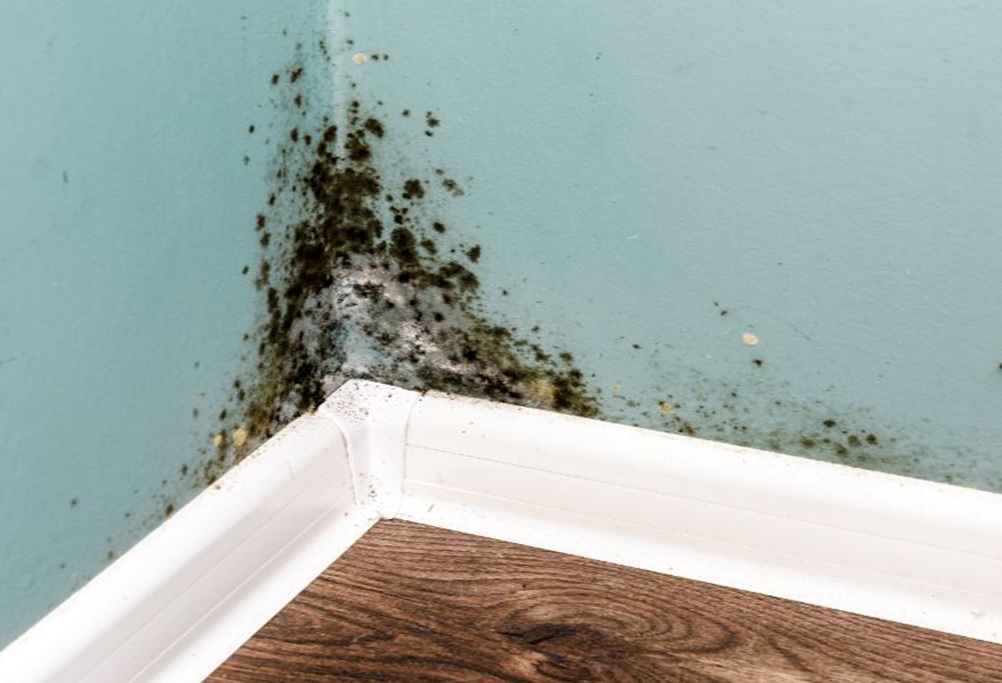

Water damage rarely stays in one place for long. A small leak under a sink or a damp corner after a storm may not seem urgent at first, but moisture creates the perfect environment for mold growth. Once mold begins spreading, it can move through walls, flooring, insulation, and furniture much faster than most people expect.
Many people think mold damage takes months to become serious. In reality, mold can begin growing within just a couple of days after water exposure. The longer moisture remains trapped inside your home, the more difficult cleanup and repairs may become.
Even minor mold damage in Tampa can affect indoor air quality and weaken building materials over time. Learning how mold spreads and what warning signs to watch for helps you respond early, before the problem grows.
Why Mold Spreads So Quickly
Mold reproduces through tiny airborne spores that already exist inside and outside your home. These spores become active when they land on damp surfaces with enough warmth and humidity. Once moisture is present, mold can begin growing almost immediately.
Drywall, wood, carpet, ceiling tiles, and insulation absorb water easily. These materials act like a buffet for mold colonies looking for a place to grow. Areas hidden behind walls or under flooring often trap moisture for long periods, allowing mold damage to spread unnoticed.
Warm indoor temperatures also speed up growth. Bathrooms, kitchens, laundry rooms, and crawl spaces are common problem areas because humidity tends to be higher in these parts of the home.
How Fast Mold Growth Can Begin
The timeline for mold growth surprises many property owners. Under the right conditions, mold may begin developing within 24 to 48 hours after water exposure. Flooding, burst pipes, roof leaks, and appliance malfunctions all create the type of moisture mold that needs.
During the first few days, mold damage may remain invisible to the eye. Hidden moisture behind drywall or beneath flooring allows colonies to expand quietly. A musty odor often becomes the first noticeable sign.
Within one week, visible patches may appear on walls, ceilings, or baseboards. Dark stains, peeling paint, and warped materials often follow. If moisture continues spreading, mold can move into larger sections of the property and damage structural materials over time.
Common Places Mold Hides
Mold does not always grow in obvious areas. Some of the worst infestations happen in spaces homeowners rarely inspect.
Behind Walls
Water from leaking pipes or roof damage can soak into drywall and insulation. Mold often spreads inside walls long before visible signs appear on the surface.
Under Flooring
Carpet padding, hardwood flooring, and subfloors trap moisture after leaks or flooding. Damp flooring materials create ideal conditions for mold colonies.
Bathrooms and Laundry Rooms
Frequent moisture and humidity make these rooms highly vulnerable. Poor ventilation can make the problem even worse.
Attics and Crawl Spaces
These areas often experience limited airflow and hidden condensation. Roof leaks may also go unnoticed for long periods.
HVAC Systems
Air conditioning systems and ductwork may collect moisture, allowing spores to travel more easily throughout the home.
Warning Signs You Should Never Ignore
Recognizing early symptoms of mold growth helps limit repairs and cleanup costs. Many signs begin small before becoming larger problems.
A persistent musty smell is one of the most common warnings. Even if no mold is visible, odors may point to hidden moisture problems behind walls or beneath flooring.
Discoloration on ceilings, walls, or corners may also indicate mold activity. Stains often appear dark brown, black, yellow, or green, depending on the surface and moisture conditions.
Peeling paint, bubbling drywall, warped flooring, or soft building materials may suggest nearby water intrusion. Increased allergy symptoms, such as coughing, sneezing, headaches, or irritated eyes, may also become more noticeable indoors.
Ignoring these warning signs allows mold to continue spreading into surrounding materials.
What Makes Mold Damage Worse
Several factors can accelerate mold growth within a property. Delayed cleanup is one of the biggest reasons small moisture problems turn into major restoration projects.
Standing water that remains for several days gives mold enough time to spread through porous materials. Poor airflow and high indoor humidity also accelerate growth.
Small leaks create major issues when left untreated. A slow drip beneath a sink may seem harmless at first, but constant moisture can slowly damage cabinets, walls, and flooring over time.
Humid climates also increase the risk. Warm temperatures combined with moisture allow mold colonies to grow more aggressively indoors.
How to Reduce the Risk of Mold Growth
Quick action makes a major difference after water damage occurs. Drying wet areas immediately helps reduce the chance of mold spreading through the property.
Using fans, dehumidifiers, and proper ventilation can help remove trapped moisture faster. Opening windows may also improve airflow when outdoor conditions allow.
Leaks should always be repaired quickly. Even small plumbing problems can create hidden moisture that spreads over time.
Regular inspections help catch problems early before repairs become more expensive. Checking attics, crawl spaces, water heaters, and under sinks may reveal issues before visible mold appears.
Maintaining lower indoor humidity levels also helps protect your home. Many experts recommend keeping humidity below moderate levels whenever possible.
Why Professional Mold Restoration Matters
Visible mold often represents only part of the problem. Moisture trapped behind walls or under flooring may continue feeding hidden growth even after surfaces appear dry.
Professional restoration teams use specialized equipment to locate hidden moisture and thoroughly dry affected materials. Moisture meters, air movers, and commercial drying systems help prevent future mold regrowth.
Proper cleanup also protects indoor air quality. Attempting to remove mold without addressing the source of moisture may allow spores to continue spreading through the home.
The Environmental Protection Agency offers additional information about mold prevention and cleanup.
Conclusion
Mold can spread much faster than many people realize. What starts as a minor leak or damp area may quickly become a larger issue affecting walls, flooring, insulation, and indoor air quality. Understanding how mold grows and recognizing early warning signs helps you respond before damage becomes more serious.
If your property has experienced leaks, flooding, or excess moisture, Rapid Water Damage Restoration Tampa provides fast, professional restoration services to help protect your home and reduce long-term damage.

Comments are closed.